Tēnā koutou katoa
Welcome to the Office of Early Childhood Education
National and public adviser on ECE, the OECE is a sector body representing teachers and all types of licensed services driving safer, higher‑quality education for every child
View our positions
- Provides membership support to ECE services, teachers, researchers, and community partners
- Actively contributes to sector analysis, research, and policy development
- Advances evidence-based best practices that prioritise children’s interests and wellbeing
View the Code of Conduct for ECE Services
Get Unrestricted Access to NZ’s Specialist ECE NEWSROOM
National and local stories, expert analysis, commentary, and more.
Education Bulletin and Sector Notices
Free to sign-up and receive
Membership Services and Support for:
Teacher Member Posts
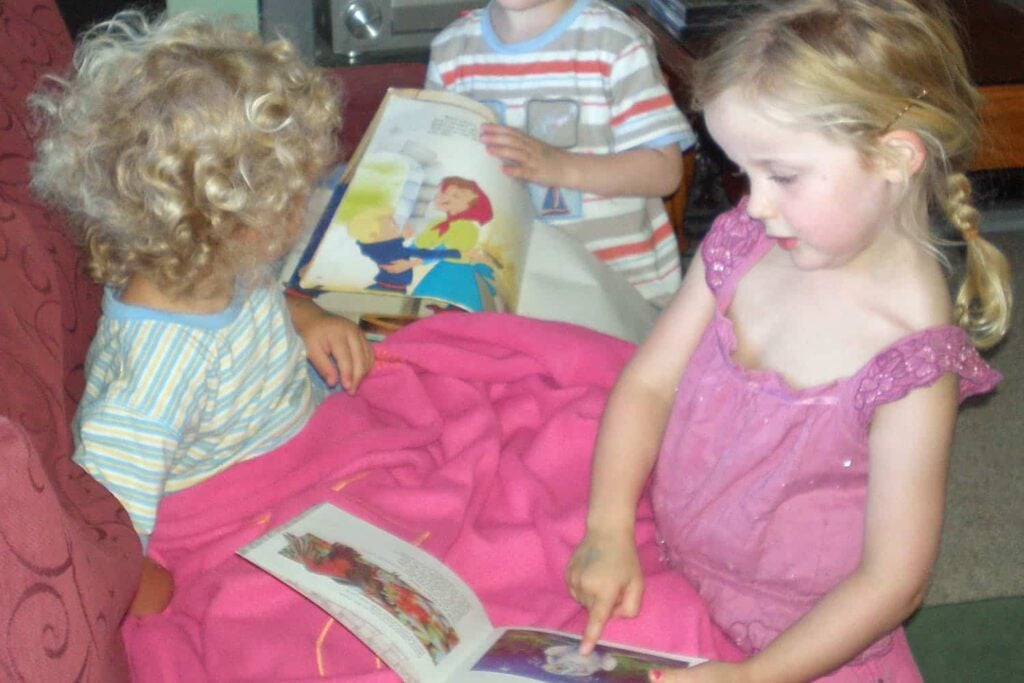
The Books Children Like Best
The Type of Books Young Children Like Best.
Books are an integral part of a child’s education but getting them to sit down and look at books can be difficult when there are so many other things competing for a child’s attention.
Often books are chosen by adults, particularly for younger children and babies, but even young children
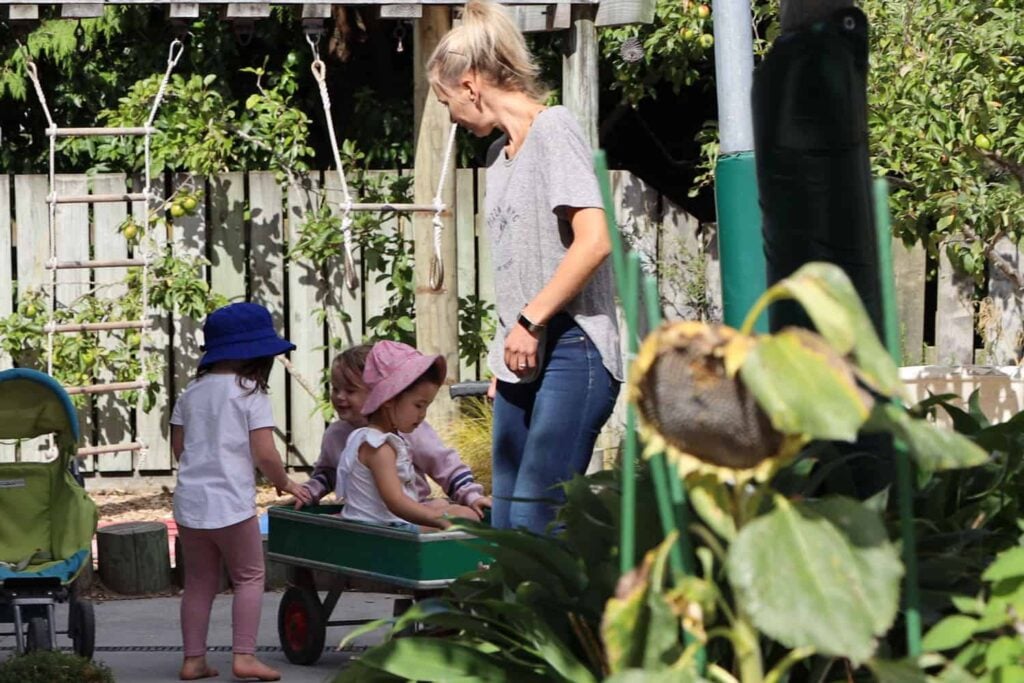
Dressing Like an ECE Professional: Comfort, Practicality, Respect
Clear advice on what to wear, what’s appropriate, and how to navigate expectations around uniforms, tattoos, jewellery, shoes and overall professional appearance. It’s a helpful guide for anyone starting a new role or wanting to feel confident, comfortable and respected in their early childhood workplace.
Teaching Overseas or Coming to NZ? Don’t be Disadvantaged
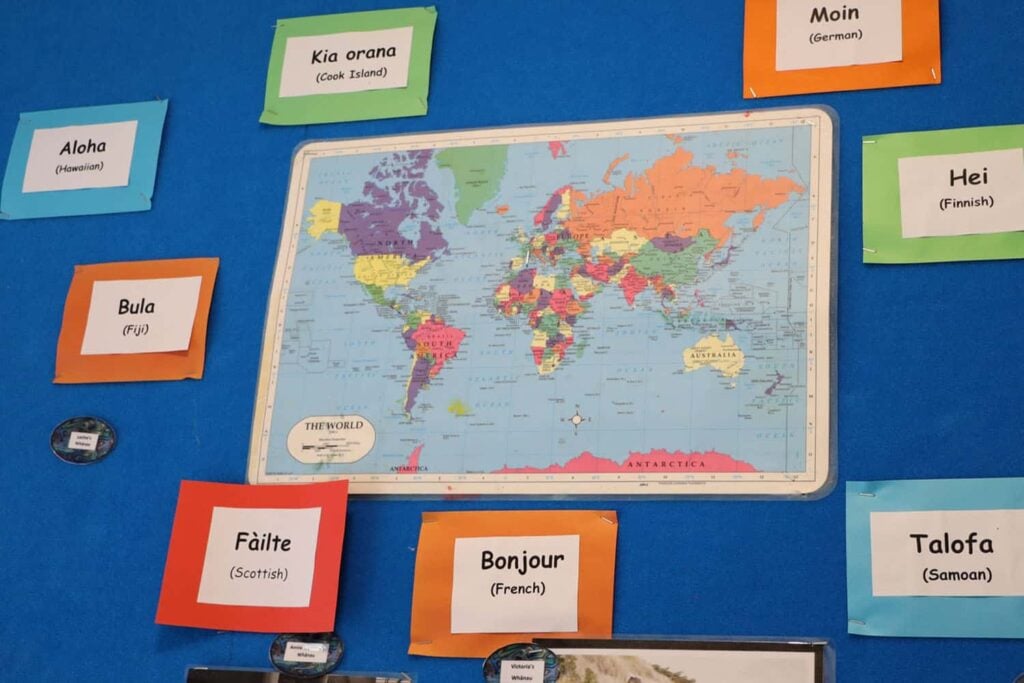
Returning to Teaching in NZ or Going Overseas to Teach.
This article covers key things to be aware of, plan for, do, and get evidence of, to reduce the possibility of disadvantage upon your return to NZ.
Working in an early childhood overseas can be an enriching experience and a good way for teachers to continue their
Gun Play?
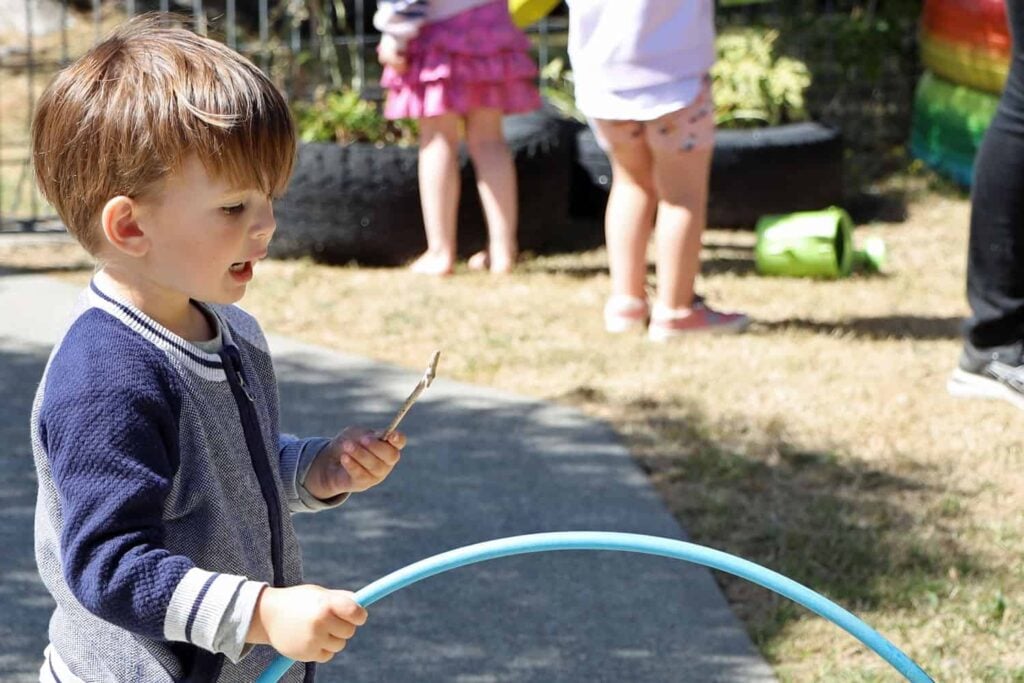
Do You Allow (Or Even Encourage) Gun Play? By Tim Kahn.
Tim Kahn writes his thoughts about the superhero and weapon’s play that is often indulged in relentlessly by a small group of boys – and less persistently by another group of boys and a few girls.
Starting with the child
Effective learning for young children starts from their i
Service Provider Member Posts

Adult Toilet and Staff Bathroom
There are many good reasons for having a toilet specifically for adults that is suitable for adults to use. Sometimes staff need to use the toilet within a confined space of time, for example, while on a ten minute break or a parent needs to rush in and use the toilet when dropping off or picking-up their child. There may be lots of toilets but most may be more suitable for children’s use – smaller, lower to the ground and often in stalls of small size, for safety purposes. Small toilets in small spaces cannot accommodate the much larger size of adults.

Cashflow Management
Cashflow Management.
How do we cope with huge cash inflows from the MoE three times a year then famine in between?
The simplest way is to put into a separate bank account all the advances received each four months and then transfer it into the normal bank account monthly. You will also need some capital of your own in the bank to cover the c
Advice on Responding to a Parent Who Does Not Want Child to Have a Male Teacher
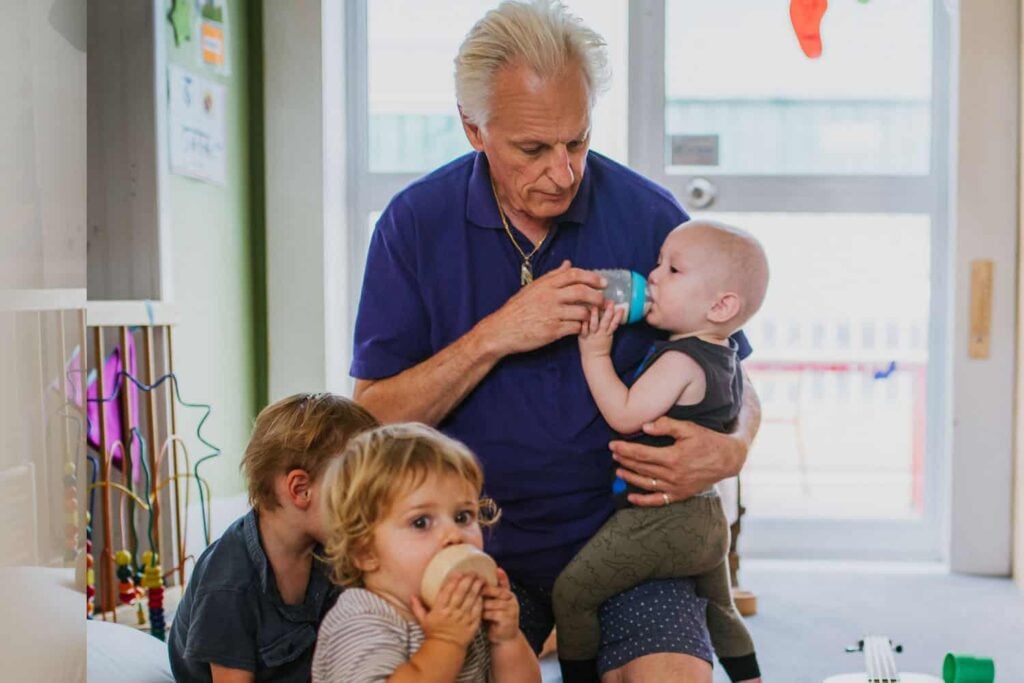
Parent does not want Male Teacher.
An early childhood centre manager asks:
After informing our parents that 2 new teachers had been appointed for the start of term, a mother said she did not want one of these teachers, a man, to have any contact with her daughter and that she must never be in the same group with him. We agreed to her
Playground Risk Assessment
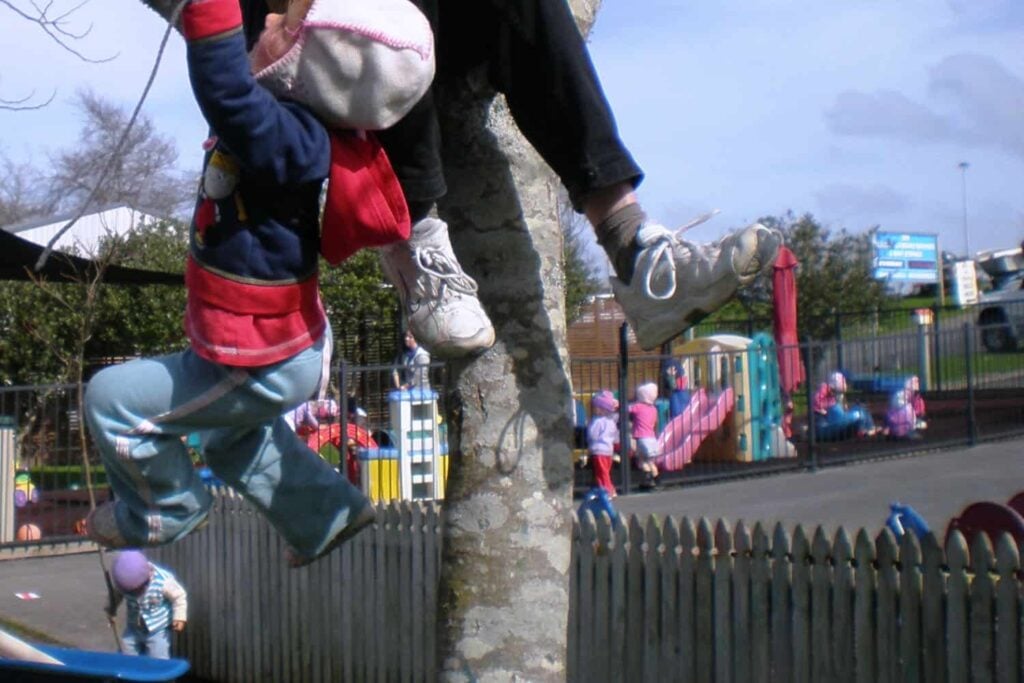
When the Health and Safety at Work Act was brought in concerns were expressed by the education sector. For example, does the Act mean children can’t climb trees in ECE anymore?
Then there’s NZS 5828: Playground Equipment and Surfacing to think about.
Well the good news is that it’s pretty much all good news.
In this article we’ll look at how risk assessment, the HSW Act and NZS 5828 can combine to develop safety approaches that recognise the goal of Te Whariki: To grow up as competent, confident learners and communicators, healthy in mind, body and spirit.
Research Library – Today’s Featured Articles

Contents – NZ International Research in ECE Journal, 2017, Vol 20, No. 1
This issue explores diverse curriculum perspectives, from debates about Te Whāriki’s role to Indigenous Fijian knowledge pathways, Bangladeshi curriculum development, multi‑dimensional pedagogical growth, inclusive practice, and children’s creative meaning‑making through photography.

Increase Research or Survey Participation – Effective Strategies
Getting people to participate in your research study or survey can be challenging, but small changes in approach can dramatically improve response rates. This guide shares practical strategies and tips that researchers, teachers and ECE services can use to boost engagement and gather richer, more reliable data.
Call for Papers for the NZIRECE Journal
You are warmly invited to submit a paper to the NZIRECE Journal for consideration for publication. The NZIRECE Journal is a peer-reviewed academic journal that publishes research results, critiques, methodological papers and theoretical articles relating to children’s education, well-being and care in the early years (from birth and up to six or seven years of age).
A Look into Montessori: Embedding Literacy in an Early Childhood Education Programme
The efficacy of a Montessori approach to the development of literacy skills in four year olds in the context of current research around pre-literacy skills development in early childhood education was investigated. This paper presents the findings.
What We Do
Resources